A coin that was worth a dollar when it was minted might be worth a lot more today. Or exactly a dollar. Here’s how to tell the difference.
There Are Two Kinds of Value
Most coins have two potential sources of value: metal content and collector value. They’re separate, and they don’t always move together.
Metal value is what the precious metal inside the coin is worth right now. Pre-1968 Canadian dimes, quarters, and dollars contain real silver. A 1965 silver dollar has roughly 0.6 troy ounces of silver in it – at today’s prices, that’s well above face value, and it has been climbing for years.
Collector value is different. It’s what someone will actually pay for the coin itself – because it’s rare, because it’s in great condition, because of its history, or just because people want it. A coin with a low mintage or a minting error can be worth far more than its metal alone.
What Actually Changes a Coin’s Value
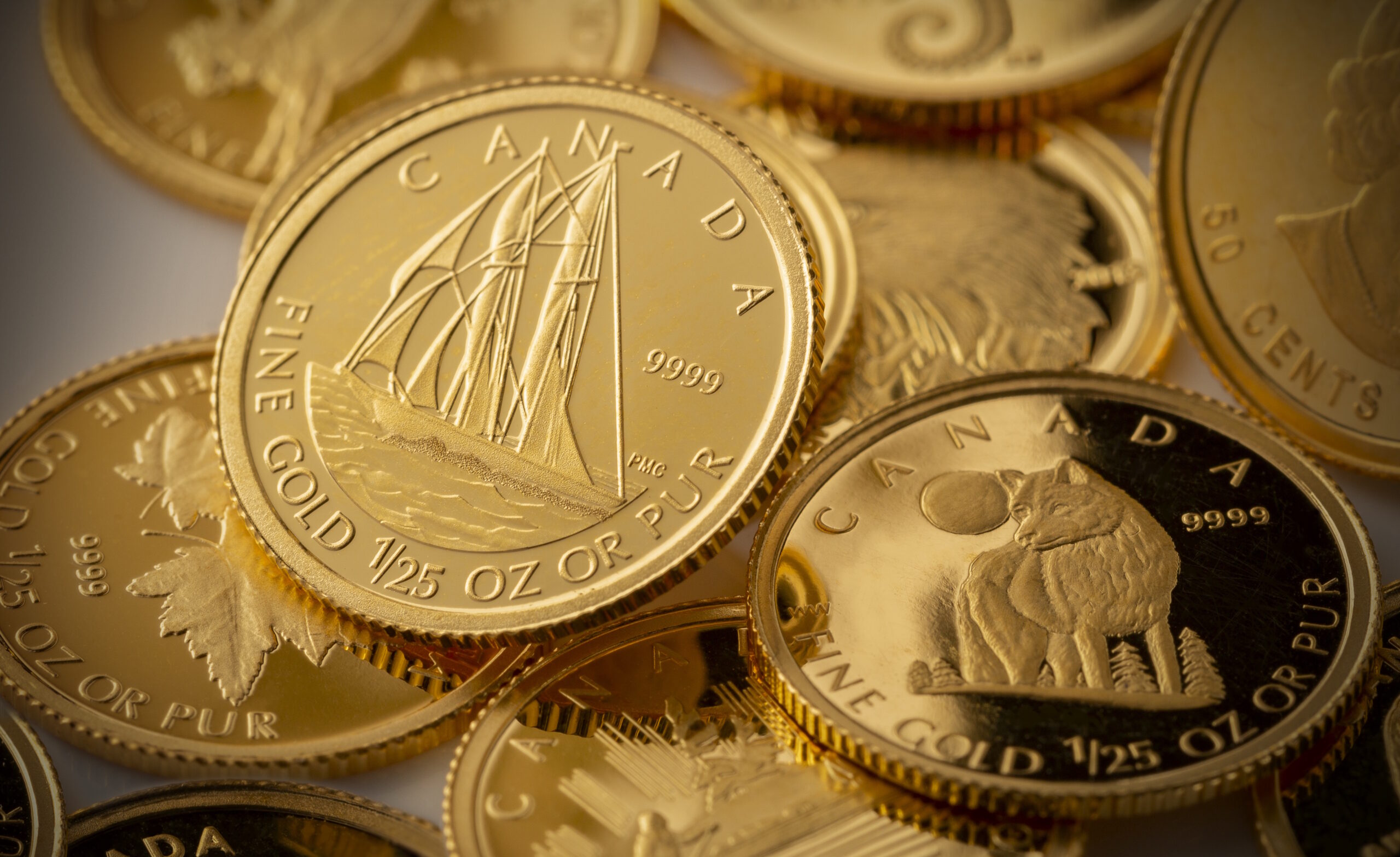
Rarity gets rarer over time. Coins get lost, damaged, spent, or melted. The pool of surviving examples in good condition shrinks. The Canadian 1921 five-cent coin is a good example – nearly the whole mintage was melted the next year when the denomination changed. Only a few survived. Those coins are worth tens of thousands of dollars today.
Condition matters more than most people expect. A circulated coin and an uncirculated one can be worth dramatically different amounts. Even cleaning a coin, which seems like it should help, can actually kill the numismatic value. Collectors what natural surfaces and original wear. A polished coin is usually worth less than one that hasn’t been touched, even if it looks better.
Metals prices move. When gold and silver go up, the floor value of older coins goes up with them. That’s been relevant lately – silver and gold prices have moved considerably over the past few years, which means coins that were borderline interesting a decade ago are worth a closer look now.
Certain moments create demand fast. The 2022 coins bearing Queen Elizabeth II’s portrait became collectibles almost immediately after her passing. The first King Charles III coins generated the same kind of interest. These things happen quickly, and the demand is real.
What to Do If You’re Thinking About Selling
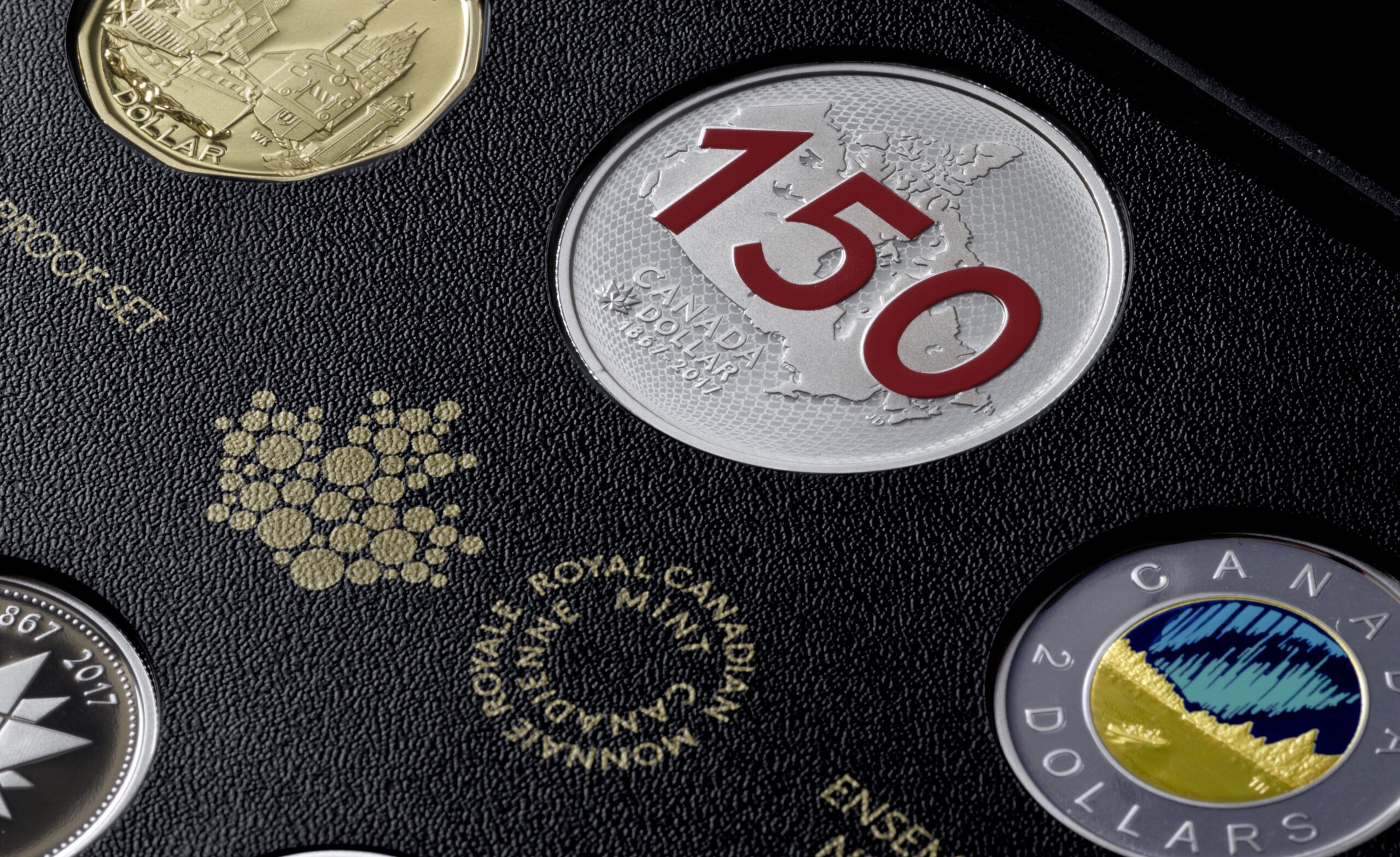
If you’ve got an inherited collection, or a tin of cold coins you haven’t looked at in years, it’s worth finding out what you actually have because deciding anything.
Some coins are worth their metal. Some are worth more because of what they are. Some are worth face value and that’s it. You won’t know which until someone looks at them.
Canada Gold’s sister company, Canadian Coin and Currency, specializes in exactly this. Whether it’s one coin or a full collection, they can tell you what you’ve got and what it’s worth.
Visit any of our Canada Gold locations across Canada for further information and guidance. No appointment needed.