One of the most common questions we hear from customers is remarkably consistent:
“Do you think gold is going to keep going up?”
Closely followed by:
“Is now a good time to buy?”
They’re understandable questions. After all, gold has reached historically elevated prices in 2026, making headlines and prompting many people to wonder whether the rally still has room to run or whether prices have peaked.
The honest answer is that nobody knows for certain.
At Canada Gold, we don’t provide financial or investment advice, nor can anyone accurately predict where the gold price will be next month or next year. Gold, like any freely traded asset, experiences periods of rapid growth, consolidation, and occasional pullbacks.
What history can tell us, however, is something far more meaningful than where the price may be next week.
For thousands of years, gold has demonstrated an exceptional ability to preserve wealth over the long term. While short-term price fluctuations are inevitable, its track record as a store of value is virtually unmatched. For this reason, many investors choose to own physical gold alongside more traditional investments such as stocks, bonds, mutual funds, or real estate as part of a diversified portfolio.
There have also been periods when gold has delivered substantial capital appreciation, rewarding investors who purchased before significant price increases. While past performance is never a guarantee of future results, history has shown that gold has the potential to serve both as a long-term wealth preservation asset and, at times, an investment that benefits from changing economic conditions.
With that perspective in mind, today’s debate over whether gold’s remarkable rally will continue after the summer – or whether prices may level off for a period – becomes just one chapter in a much longer story. Because regardless of what happens over the coming months, today’s gold price remains dramatically higher than it was even a year ago, and extraordinarily higher than it has been throughout most of modern history.
From that broader perspective, the bigger story isn’t whether gold rises or falls over the next few weeks – it’s how consistently it has preserved value across generations.
Looking Beyond the Headlines
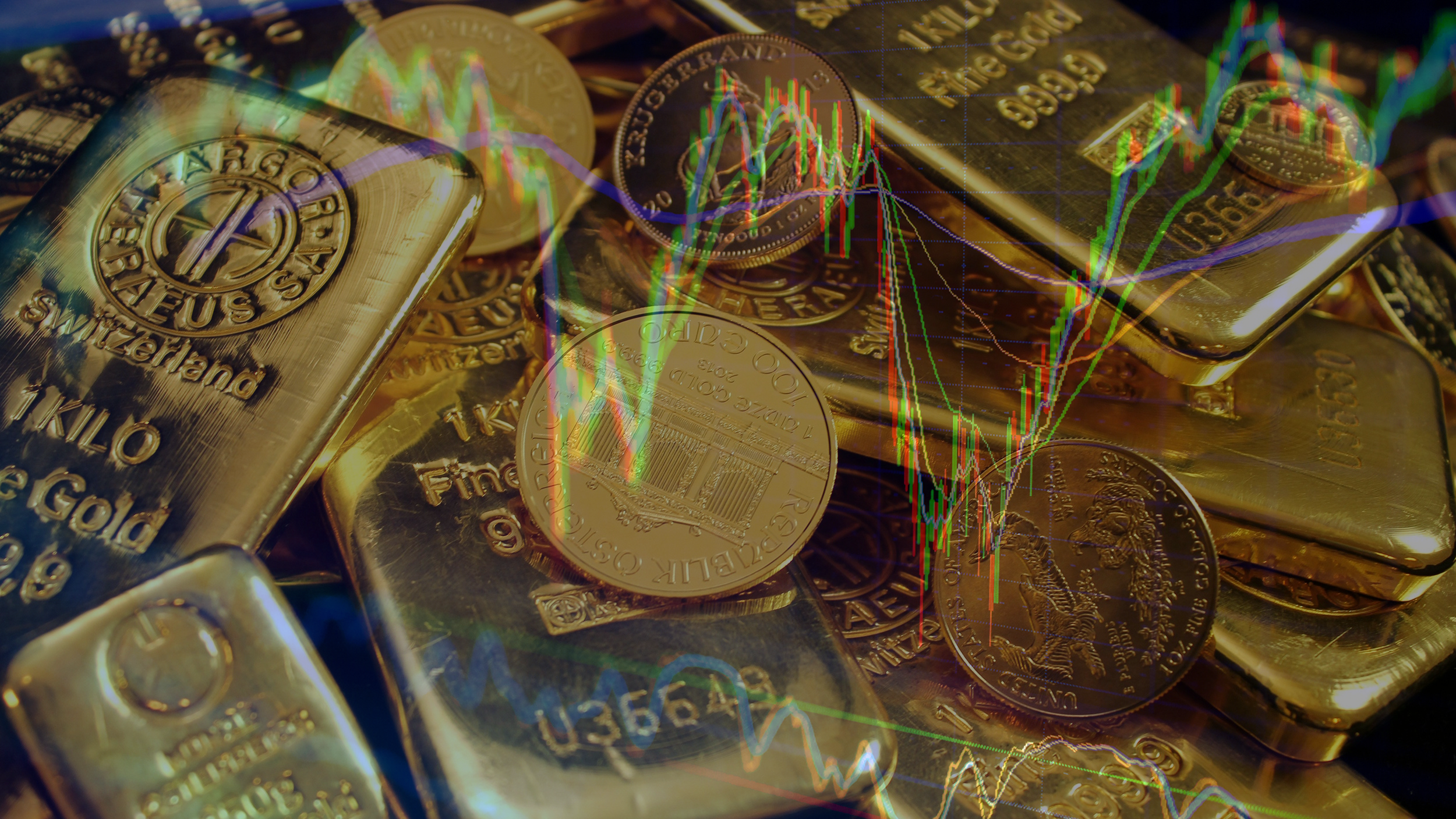
Short-term price charts can make daily movements appear dramatic.
Zoom out, however, and a very different picture emerges.
While no investment rises in a straight line, gold has spent decades establishing progressively higher long-term price ranges.
Consider how dramatically gold’s value has evolved over the past century.
| Approximate Year | Gold Price (USD per ounce) |
| 1920 | ~$20.67 |
| 1934 | $35 |
| 1950 | $35 |
| 1971 | $35 (end of Bretton Woods) |
| 1980 | ~$850 |
| 1990 | ~$380 |
| 2000 | ~$280 |
| 2010 | ~$1,225 |
| 2020 | ~$1,900 |
| 2025 | Above $3,000 |
| Mid-2026 | Trading around historically elevated levels |
What stands out is not the occasional correction.
It’s the extraordinary difference between today’s prices and those of previous generations.
An ounce of gold that sold for approximately $35 for decades now trades at prices measured in the thousands of dollars.
Even if prices were to soften from recent highs, they would still remain dramatically above virtually every historical benchmark.
Every Gold Rally Has Eventually Taken a Break
It is perfectly normal for financial markets to pause after reaching new highs.
Investors take profits. Economic data changes. Central bank policies evolve. Currency markets fluctuate. These forces all contribute to periods where prices move sideways rather than continuously higher.
Gold has experienced numerous pauses throughout history:
- Following the inflation-driven surge of the late 1970s
- During the recovery after the 2008 financial crisis
- After the pandemic-era rally in 2020
- And now, following the remarkable gains seen through 2024, 2025, and into 2026
Each period sparked familiar questions about whether gold had reached its peak.
History reminds us that these questions are rarely new.
Gold’s Role Has Never Been About Short-Term Speculation
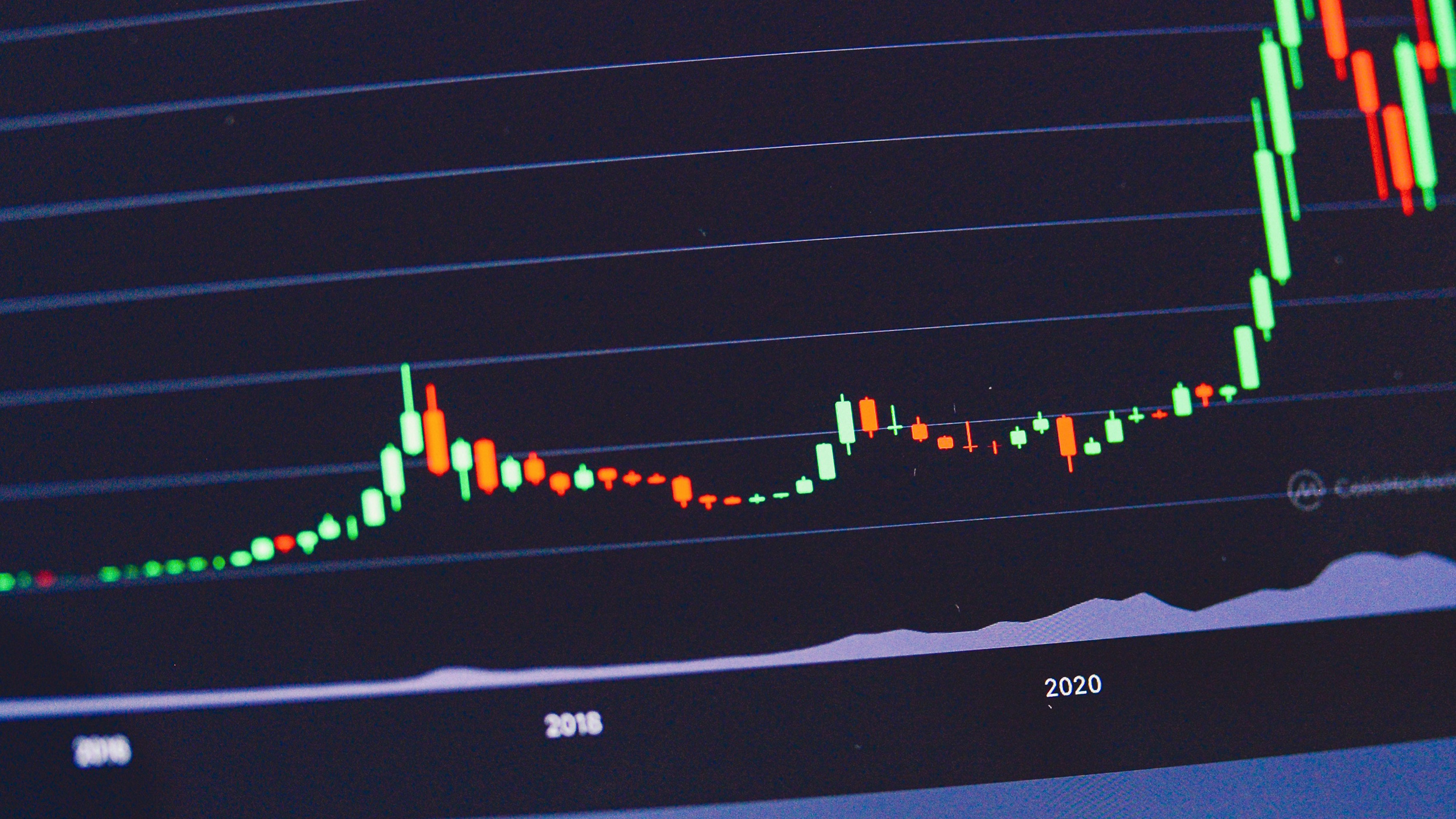
One of the biggest misconceptions about gold is that investors purchase it solely in anticipation of rapid price appreciation.
While capital gains can certainly occur, gold has historically served a much broader purpose.
For centuries, investors have viewed physical gold as:
- A long-term store of value
- Protection against inflation
- A hedge during periods of economic uncertainty
- Portfolio diversification
- An asset that carries no direct counterparty risk
Unlike many financial assets, physical gold does not rely on a company’s earnings, government promises, or the performance of a particular industry.
Its value has endured across wars, recessions, currency changes, and financial crises.
The Purchasing Power Story
Looking only at dollar prices can overlook one of gold’s most remarkable characteristics: its ability to preserve purchasing power.
Throughout history, paper currencies have gradually lost value due to inflation.
Gold, by contrast, has generally maintained its ability to purchase real goods over long periods.
A quality tailored suit in Ancient Rome reportedly cost roughly one ounce of gold. Today, one ounce of gold can still purchase a quality tailored suit.
Likewise, throughout history, an ounce of gold has often represented a meaningful amount of wealth regardless of the currency in circulation.
This consistency is one reason central banks around the world continue to hold thousands of tonnes of gold as part of their monetary reserves.
Why Investors Are Watching the Second Half of 2026
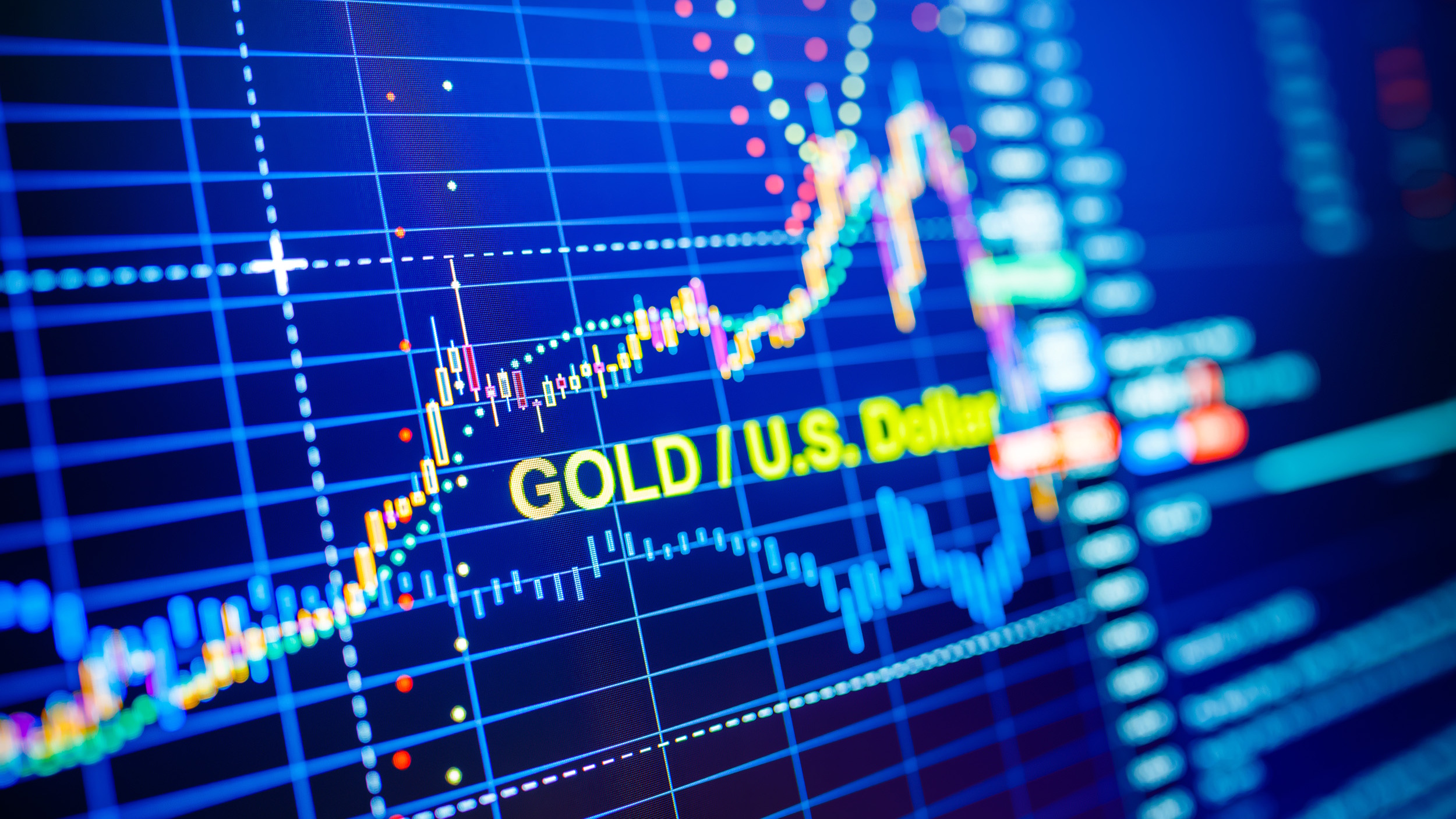
The remainder of 2026 will likely be influenced by many of the same factors that helped drive gold’s recent strength:
- Inflation expectations
- Interest rate decisions
- Central bank gold purchases
- Government debt levels
- Geopolitical uncertainty
- Currency movements
Some analysts believe gold may continue setting new highs after a period of consolidation.
Others expect prices to trade within a relatively stable range as markets digest recent gains.
Both scenarios are entirely possible.
The important point is that neither changes gold’s long-term role.
Whether gold finishes the year modestly higher, modestly lower, or largely unchanged, it remains significantly more valuable than it was only a few years ago.
Perspective Is One of Gold’s Greatest Strengths
Financial news often focuses on what happened today.
Long-term investors tend to focus on what has happened over decades.
Gold’s history demonstrates that periods of rapid appreciation are often followed by consolidation. That pattern has repeated many times.
What has also repeated is gold’s ability to preserve value across generations.
Someone checking the gold price every morning may see only today’s fluctuations.
Someone looking back over the last century sees something entirely different: one of the world’s oldest and most enduring stores of wealth continuing to maintain its relevance through changing economies, political systems, and monetary policies.
The Bottom Line
Will gold continue its rally after the summer of 2026?
No one knows with certainty.
Markets will always fluctuate, and short-term price movements are impossible to predict consistently.
What history does show is that gold has repeatedly demonstrated its resilience over the long run. Temporary pullbacks and periods of consolidation have occurred throughout its trading history, yet the broader trend over generations has been one of preserving wealth and maintaining purchasing power.
Whether today’s elevated prices mark a temporary pause or the beginning of the next move higher, the larger story remains unchanged: gold has spent centuries proving that its value extends far beyond the ups and downs of any single year.
For many investors, that long-term perspective is precisely what makes gold such a compelling asset to own.