Gold, Silver, and Bronze: Not All Are Created Equal
The 2026 Milano Cortina Winter Olympics provided plenty of awe-inspiring moments, with 116 medal events across 16 disciplines and eight sports. The action was intense and the competition was fierce, with each athlete vying for their chance at Olympic glory. For those lucky enough to compete in the games, there is no bigger moment than standing on the Olympic podium to receive a medal.
But what is actually in those medals?
While we generally refer to the Olympic accolades by their metal names (gold, silver, and bronze) the actual composition of the medals is defined by the International Olympic Committee (IOC); this surprises many, as we tend to assume the medals are composed of their namesakes.
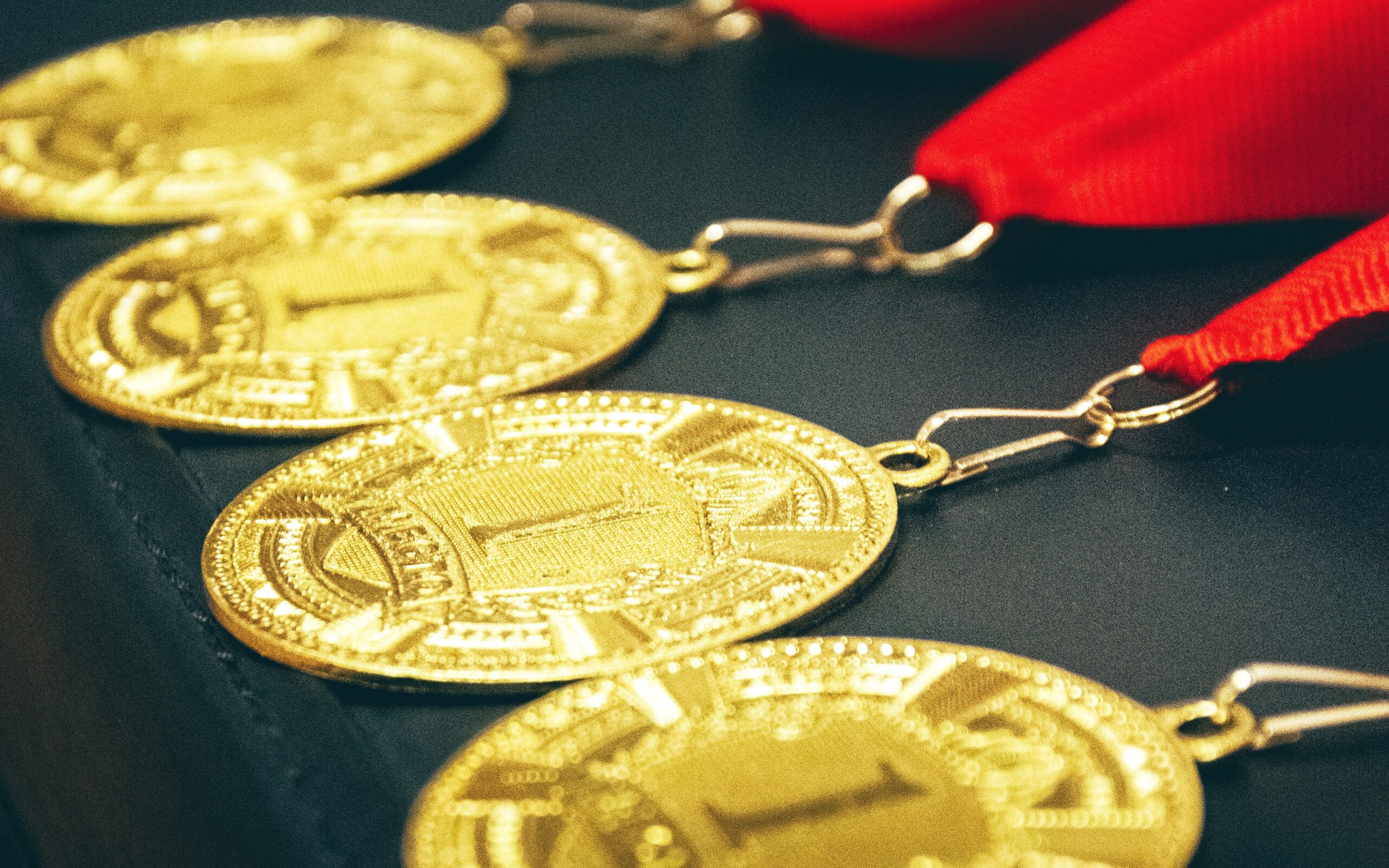
的 Gold Medal, contrary to popular belief, is not solid gold! It is actually primarily composed of silver. IOC regulations mandate that the gold medal must be made from at least 92.5% silver, and then must be plated with a minimum of 6 grams of pure (24 karat) gold. This regulation has been in place since the 1912 Olympic Games in Stockholm, when producing solid gold medals became too expensive.
的 Silver Medal is the closest to its namesake, as it must be made of at least 92.5% pure silver. The remaining composition typically consists of other metals to ensure durability and allow for the intricate design work associated with the host city’s branding.
的 Bronze Medal has the most diverse and least mandated composition. The only requirements for the third-place awards is that it must be composed primarily of copper. Bronze is traditionally an alloy of copper and tin, but modern Olympic bronze medals often include zinc, which technically makes the alloy a form of brass.
Beyond the Material: The Host City’s Unique Touch
While the IOC sets the standards for metal content, the host city is given the creative freedom to design and manufacture the medals:
- Cities may choose to choose ethically sourced or recycled materials, reflecting sustainability goals and supporting local businesses.
- The hosts are welcome to engrave designs that represent their nation’s history, art or culture. The 2010 Vancouver Olympic medals, for example, showcased First Nations artwork; each singular metal portrayed a different section of the design.
In the end, while the raw material value of an Olympic medal can be measured by current market values, its true worth lies in the intangible. It represents years of dedication, sacrifice, and the extraordinary moment when an athlete achieved their life’s dream. No matter whether it’s gold, silver, or bronze, the precious metals contained within Olympic medals are merely the vessels for a priceless achievement.
At Canada Gold, we can’t wait for the next Olympic Games in LA in the summer of 2028 when the world’s most elite amateur athletes will gather once again to vie for a piece of gold, silver, and bronze.