
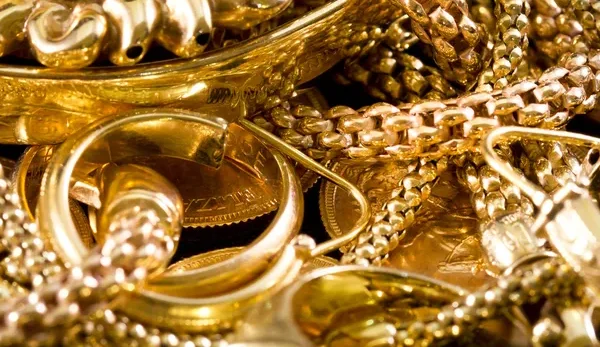
Every April Fools’ Day, we get stories and pranks that make things look not quite what they seem. It’s fun when it’s a fake headline or a prank from a friend – but not when it’s your jewellery, coins, or bullion. If you’ve ever wondered how to tell if gold is real or whether that silver piece you have is genuine, you’re not alone. At Canada Gold, we help determine this all year long, and April 1st is the perfect reminder to check and see if your precious metals are the real deal.
What is Fool’s Gold?
Fool’s gold originally referred to minerals like pyrite that looked like gold but weren’t worth much at all. Over time, it’s become a popular way to describe anything that shines like real gold or silver but doesn’t have the same lasting value.
Today, fool’s gold might be:
- A gold‑coloured chain that’s plated over base metal
- A silver‑tone coin that’s actually nickel or steel
- A bar with impressive markings but little or no precious metal content
From the outside, these pieces can look convincing, but a trip to Canada Gold can help you determine which of your items are genuine precious metals.
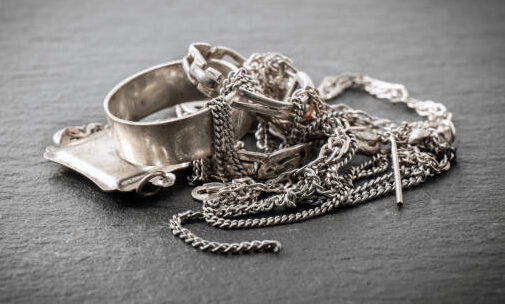
How Canada Gold Tests Your Precious Metals
When you bring your items to Canada Gold, our job is to replace uncertainty with clarity. We don’t rely on looks alone, we use a combination of tools and methods to tell you exactly what you have.
Step 1: Magnet Check
We start with a powerful earth magnet. Because gold and silver are not magnetic, this quick test helps separate many non‑precious metals from true precious metal items.
Step 2: Sorting by Purity
Next, we look at purity. How much of your item is actually gold. Gold is measured in karats (out of 24) or by fineness (parts per 1,000), such as 10K, 14K, 18K or 585, 750, 999. We examine each piece for these stamps and use a jeweller’s loupe to find tiny or worn marks. Then we sort your items by karat or fineness in front of you, setting aside unstamped pieces for further testing.
Step 3: Karat Validation
To confirm purity, we use one or more non‑destructive tests, such as an acid scratch test, specific gravity (density) testing, and X‑ray fluorescence (XRF). The acid test compares a small streak on a touchstone to known samples, specific gravity testing measures density in water, and XRF reads the metal composition with precision. You’re welcome to watch, and our team explains each step along the way.
Step 4: Weighing and Quoting
After testing, we weigh your items on a calibrated, high‑precision scale, and can weigh individual pieces separately if you wish. Your quote is then based on purity, weight, and the current market price of your metals. We give you a clear, upfront offer with no pressure – you decide whether to sell all, some, or none of your items.
How We Help You Feel Confident
Our goal isn’t just to test your metals; it’s to help you feel confident about your jewellery, coins, and bullion.
When you come to Canada Gold, we can:
- Confirm what you actually have
We’ll tell you the authenticity of your items. That clarity can help you make an informed decision in determining what the best next step is for you and your collection. - Share tips you can use in the future
As we go through your items, we can point out helpful details to watch for like hallmarks, colour, finish, and quality of stamping, so you feel more informed when buying or inheriting pieces down the road. - Provide transparent value
If your piece is real, we can give you a clear, market‑based offer if you’re interested in selling, or simply confirm its value for your peace of mind. If it’s not what you expected, you still leave with answers and a better understanding of what to look for next time.
This April 1st, Make Sure the Joke Isn’t on You
April Fools’ Day is a great time to double-check anything that might be fooling you, including your gold, silver, and other precious metals. Bring your items to Canada Gold today, and let us help you determine the true value of your items. For even more information on our testing process, visit our website.

![[Ended] Canada Gold – Vancouver Coin Exchange 2026: FIFA World Cup 2026™ Commemorative Loonie](https://vancouvergold.ca/wp-content/uploads/2026/06/1-1080x675.png)